The Oldest Productivity Hack Is 2,500 Years Old
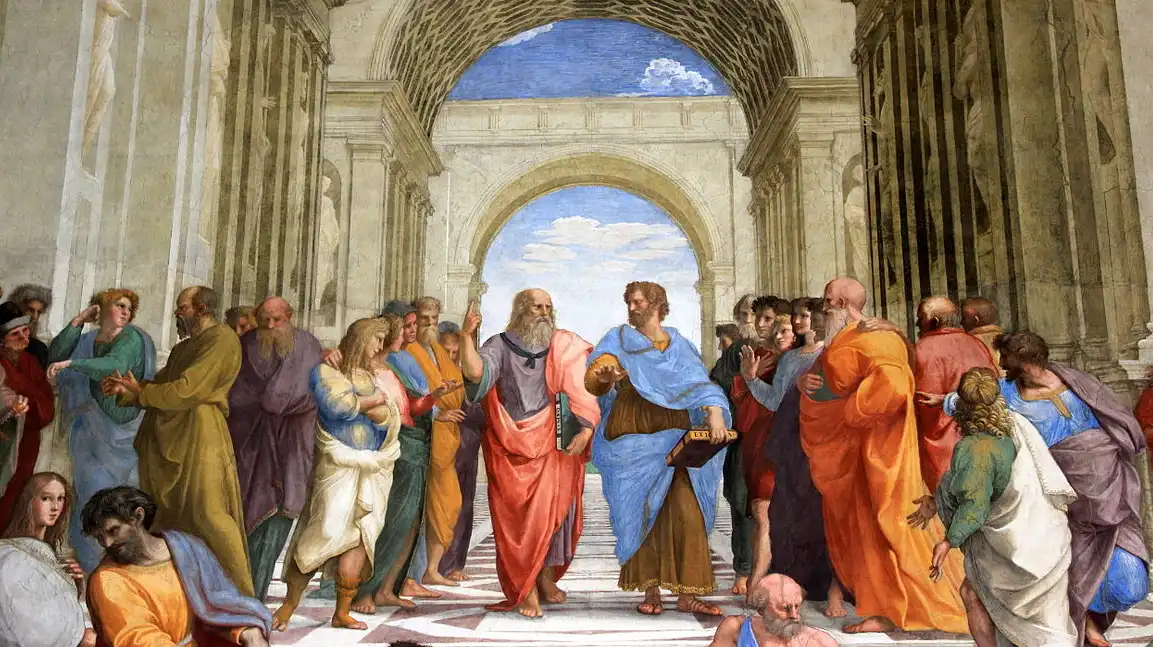
Seneca did it. Marcus Aurelius did it. Benjamin Franklin did it. And they are only the famous examples.
Across centuries, very serious people kept returning to the same ritual: at the end of the day, they would review how they had lived. What did I do well? Where did I fall short? Where did I betray my own standards? What should I correct tomorrow?
What they were building, in their own way, was a daily feedback loop on their character — a way of measuring the gap between who they intended to be and how they had actually behaved, then correcting course.
I know this practice well because I started doing some version of it when I was young.
At night, and sometimes in the middle of the day, I would take out a notebook and write a few thoughts. Sometimes it was banal: don't forget to go to the dentist, I should do this exercise at the gym, this feature is more important to build tomorrow than that one. But often it was more personal, and a bit ridiculous in a way. I would replay a party in my head and ask how I could have been funnier and more aura-maximizing. Or I would write about something I said to my roommate and think: that was not cool, I should stop.
Later, I realized this was one of the best habits I ever built.
Writing forces clarity in a way thinking does not. A thought in your head can remain vague, flattering, unfinished. On paper, it has to become precise. The compound effect of that kind of self-correction, over time, is enormous.
But the old ritual has a limit.
Self-reflection has a blind spot. You are both the observer and the observed. The eye cannot see itself. Seneca could examine his day, but he could not analyze six months of his own behavior. He could catch the moment, but not always the pattern.
When I began building Le Sentier, that was the part that became really interesting to me. Artificial intelligence solves almost exactly the limitation that constrained this practice for thousands of years.
AI has perfect memory. It can recognize patterns across time. It can notice consistencies in behavior that are invisible from inside a single day.
That is what makes it powerful.
You still close the day yourself. You still write what happened. But now there is also Léo — the AI inside Le Sentier — quietly tracking your path across days and weeks, watching your life unfold, and occasionally giving his opinion on what he sees.
---
March 16, 2026